

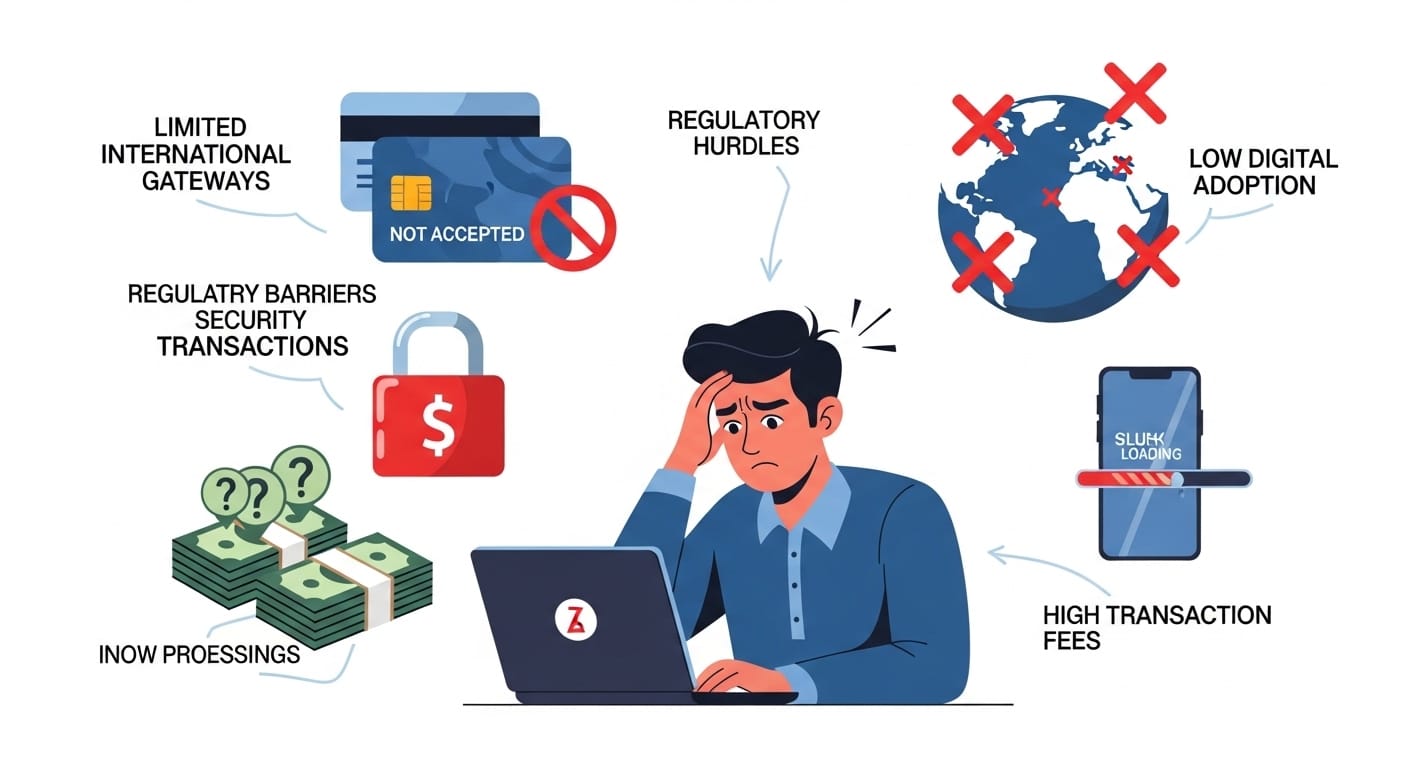
There are many young tech founders in Pakistan building online stores, apps, and software tools. Most of these products rely on digital payments. Ideally, a user should pay within seconds, and the business should receive the money right away. But that is not always the case. There are often issues such as payment failures and delays in bank approvals, and many buyers still prefer cash. These, among many other challenges, slow the progress of most startups.
The Macroeconomic Barrier: Impact of Inflation and IMF Review
The state of the economy affects how payments work in the country, and for many reasons. People’s spending habits are shaped by high inflation and financial pressure. And when there are talks with global lenders, the impact is often reflected in changes to banking rules. Since many Pakistani startups rely on online payments, they are usually the first to feel these changes.
How Inflation Affects Consumer Spending
The prices of food, fuel, clothes, and transport have risen in the last few years. And when things important for daily functioning become expensive, people prioritize basic needs. As a result, there’s always a sharp drop in spending on apps and online services.
In such times, cash becomes more common. After all, many people feel safer using money they can see and count.
Startups face a double problem. Their customers spend less, yet their investment in operating costs goes up.
IMF Review Discussions and Their Influence on Digital Finance
When the economy isn’t at its best, Pakistan often enters review talks with the International Monetary Fund. During such periods, banks tend to tighten their risk checks. And as such, startups may have to wait longer to gain access to payment gateways in Pakistan. Verification of foreign payments such as Skrill, PayPal, and Payoneer may also become stricter. Since many startups rely on global software tools or serve clients abroad, payment delays can disrupt normal business operations.
Managing Business Review and Compliance under New Fiscal Terms
Fiscal changes often bring new rules for businesses. Startups must track each transaction and keep proper financial records. Payment providers usually request several documents before approving a new merchant.
However, many startups run with very small teams. The founder may still have to handle sales, product work, finances, and documentation alone. So, it takes a lot of time and effort to learn new compliance rules and update payment systems.
Technical and Structural Pakistan Payment Issues
The story doesn’t end with economic pressure, as Pakistan’s payment systems also face technical limits. Online payments depend on banks, gateways, mobile wallets, and stable internet connectivity. An issue with a single channel can make the entire process fail.
The Reliability Concern: Why System Downtime is a Major Barrier
Reliability is one serious concern for e-payments in the country. Sometimes, the systems go offline during peak traffic or bank maintenance. And when that happens, transactions fail, or they are delayed. Technically, a failed payment often results in a lost sale, as most customers won’t try again.
Low Transition Rate from Cash to Digital Payments
Cash still dominates everyday spending in Pakistan. Many stores, delivery services, local markets, name it, prefer cash payments. Large online retail shops often offer cash-on-delivery, too.
This makes the jump to e-payments slower. Somehow, startups that make sales online must still handle physical cash.
Yet, cash handling increases costs and is more stressful than using a bank account. For example, businesses will need staff to collect payments and track records. So, until the right policy is put in place, the switch from cash will remain slow.
Why Users Prefer Traditional Methods Over New Digital Solutions
User habits also influence payment choices. Many people trust cash over e-transactions for many reasons.
- They can see the money and control how it leaves their hands;
- Online payments require trust in apps and internet security;
- When bank transfers fail, getting the money back may take days.
With all these in consideration, many users simply stick to the methods they are already familiar with.
Regulatory and Tax Challenges for New Businesses
There are strict rules guiding Payment systems in Pakistan. Not only do banks monitor transactions, but digital merchants must also abide by tax laws. For young startups, these regulatory bottlenecks do not seem easy to manage. Limited legal support and complicated paperwork can slow payment setup and daily operations.
Navigating the Complex Tax Landscape for Digital Merchants
There are several tax duties that online businesses in the country must handle, and the rules vary across provinces. This is enough to cause confusion and uncertainty for an online startup. It’s possible for a company to sell services across different regions without facing the same rules.
Aside from that, payment providers usually require tax registration before allowing online transactions. Startups also have to match payment records with tax filings, as any mismatch may trigger audits or attract penalties.
Competition vs. Rationalisation of Protections in the Market
In Pakistan’s financial sector, there are strict rules designed to protect users and the system. For one, payment services must follow the guidelines set by the central bank. New services will need licenses and approvals before they can launch.
At the same time, competition in fintech remains on the rise globally. New wallets and services enter the market year-on-year.
Obtaining a Visa and Operating Overseas as a Pakistani Entity
Many Pakistani startups aim to serve customers outside the country. But receiving foreign currency may not be that easy. Some international payment platforms apply extra verification measures to companies registered in Pakistan.
Travel limits also create barriers, as founders sometimes face visa delays when attending tech events or meeting investors abroad. These dents make global expansion slower for many startups.
Mobile Payment Solutions: Demand vs. Reality
Smartphones are everywhere in Pakistan. People want simple apps to pay bills, shop, or send money, and there are many mobile wallets for that. Still, apps sometimes fail, networks are slow, and people don’t have much confidence in online payments. Eventually, startups end up facing a gap between what users want and what works reliably.
Meeting the Growing Demand for Seamless Mobile Transactions
Users expect their payments to be processed quickly, and they quit when apps are slow or delayed. That’s why freelance startups can’t help but work extra hard to keep apps running smoothly. Old phones, weak internet, and extra security checks slow things down. As such, small teams have to fix bugs quickly to keep payments as simple as possible.
Building Trust in Raast Merchant Payments for Better Adoption
Raast is a new instant payment system from the State Bank of Pakistan that allows businesses to get money straight to accounts or wallets. It is faster and cheaper than card acceptance, but unlike Stripe, not many people know it yet well-known. Since payments are processed smoothly repeatedly, the trust everyone has in it keeps growing. It’s also important that startups show users how it works.
Crucial Steps to Scaling Digital Payments for Startups
To grow, startups need systems that rarely fail.
- Apps must be practical and easy to use;
- Banks, wallets, and payment services must work together;
- There should be security measures to protect money and data.
The moment startups ensure their payments are simple and safe, their growth becomes rapid.
Strategic Outlook: Transition to a More Stable Ecosystem
Despite the dominance of cash, Pakistan’s payment systems have continued to improve. Almost everyone uses a smartphone, there are more legitimate fintech apps now than ever, and government programs have been helpful. As infrastructure gets better, startups can collect payments faster and expand locally and internationally.
Learning from Regional Peers: Case Studies from Saudi Arabia and the Middle East
Saudi Arabia and the UAE built systems linking banks, wallets, and shops. They also adopt strict rules and awareness campaigns to make people trust digital payments. As a result, startups over there grow much faster. Pakistan can copy these lessons by connecting the channels and helping people trust online payments.
Scaling Responsibility: A Pricing Blueprint for Pakistan
Startups are affected by high fees. Lower fees for new businesses make e-payments easier to use. Some countries reduce fees for young startups. Pakistan could make the same resolution to help more businesses go digital while keeping payments safe.
Why Reliable Payment Processing is Crucial for Survival
Payments are the lifeline for startups. When transactions fail or get delayed, they lose customers and money. With reliable systems, trust is built, and companies are able to grow. Strong payment networks also let startups sell abroad. When transactions work well, they enable founders to focus on products and not on fixing money problems.
