

Improved and strict fire safety rules for buildings are rolled out across Sindh in a major regulatory update aimed at preventing tragedies like the recent Gul Plaza inferno and significantly enhancing life-safety standards across the province. The Sindh Building Control Authority (SBCA) has amended the Building & Town Planning Regulations 2022, introducing stricter requirements that took effect immediately to ensure safer construction and emergency preparedness.
Under the new framework, fire safety infrastructure has become a mandatory component of building planning and approval, with developers required to include features such as dedicated underground and overhead water tanks for firefighting, clearer emergency access routes, and certified mechanical, electrical, and plumbing (MEP) drawings before construction permits are issued. No building will receive a completion certificate without the necessary no-objection certificates (NOCs) from civil defense and fire departments.
The regulatory overhaul was shaped by the urgent need to address risks exposed by serious fire incidents, including the Gul Plaza blaze in Karachi, which prompted investigations, compensation orders, and demands for deep fire safety reforms.
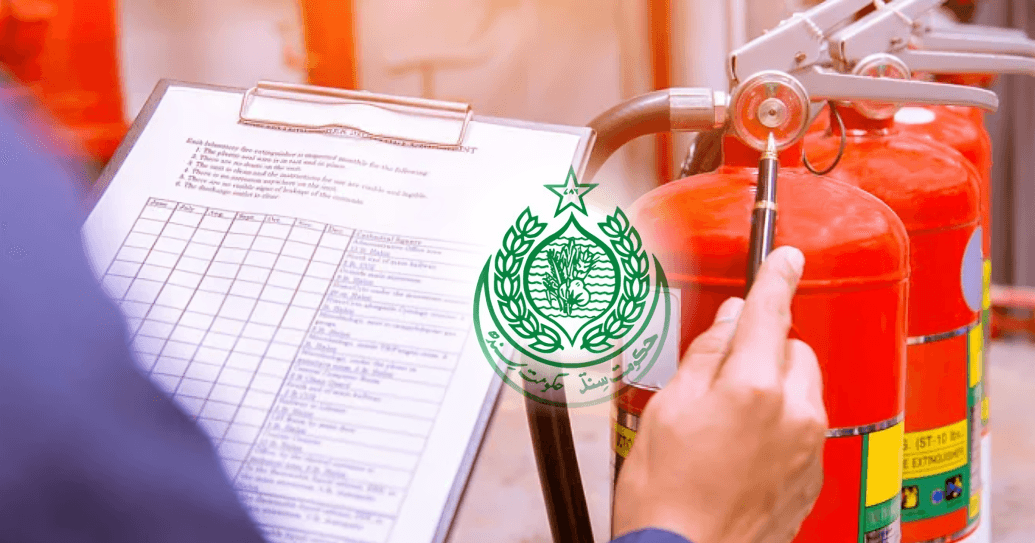
In addition to structural changes, the rules now require commercial properties to meet stricter internal fire prevention criteria; for example, each shop must have at least one fire extinguisher, and larger retail spaces must maintain adequate firefighting equipment proportional to their size.
The enhanced fire safety standards also streamline administrative procedures: new and renewal building licenses will be handled centrally by the SBCA headquarters, and parking and vehicle space requirements have been reconfigured to ensure unimpeded access for emergency responders.
Authorities say these improved rules are designed to close regulatory gaps, raise compliance levels province-wide, and strengthen oversight, inspection, and enforcement mechanisms so that buildings – whether residential, commercial, or industrial – are better equipped to withstand and respond to fire emergencies.
