
Cashless Islamabad now has a calendar. At a meeting chaired by Minister of State for Interior Talal Chaudhry this week, the government said no department of the Islamabad Capital Territory (ICT) administration or the Capital Development Authority (CDA) will take cash after 30 November 2026, and that every merchant in the city should be able to take digital payments by 31 December. That leaves roughly two weeks for the first change and about seven for the second.
Most coverage stopped at the announcement. This guide looks at the practical side: which counters are affected first, what a household should set up before the end of the month, what a shopkeeper or street vendor needs to start accepting QR payments, and which questions the government has not yet answered.
Cashless Islamabad: key dates at a glance
- Already cashlessWeekly bazaars, the CDA One-Window Facilitation Centre, and metro and electric buses. About 26,000 merchants connected.
- After 30 November 2026ICT administration and CDA departments stop accepting cash.
- By 31 December 2026Target for every Islamabad merchant to accept digital payments, mainly Raast QR.
Listen: one-minute audio summary
In this guide
Cashless Islamabad in one paragraph
What does the cashless Islamabad plan mean?
From 1 December 2026, ICT and CDA offices are to stop accepting cash for their own payments. By 31 December 2026, the government wants every merchant in Islamabad, from pushcart sellers to shopping malls, to accept QR-based digital payments, mainly through the State Bank’s Raast system. About 26,000 Islamabad merchants were already connected when the target was announced.
The cashless Islamabad decision was announced by Radio Pakistan, which reported that the government had decided to make Islamabad the country’s first fully cashless city with 31 December as the deadline. Dawn and Daily Times reported that CDA Chairman Sohail Ashraf, bank representatives and senior officials attended, and that Interior Minister Mohsin Naqvi had promised the Prime Minister a cashless capital.
The two cashless Islamabad deadlines
| Date | What is supposed to happen | Who it affects |
|---|---|---|
| After 30 November 2026 | No cash accepted at any ICT administration or CDA department | Anyone paying a fee, charge or due at an ICT or CDA office |
| By 31 December 2026 | All merchants in Islamabad connected to the cashless payment system | Shops, markets, malls, hotels, restaurants, petrol pumps, vendors |
| Already in place | Cashless payments at weekly bazaars, the CDA One-Window Facilitation Centre, and metro and electric bus services | Shoppers and commuters |
Note the difference in wording between the two cashless Islamabad deadlines. The 30 November rule is about government counters, which the government controls directly. The 31 December target is about bringing merchants into the system. The announcements do not say that a shop will be barred from taking cash on 1 January, and no penalty for private businesses has been published.
Where cash stops first in Islamabad
The first wave of cashless Islamabad is the public sector. Any payment made at an ICT administration or CDA office is covered by the 30 November cut-off, according to the minister. Typical examples people deal with are CDA dues, fees at facilitation counters and charges collected by ICT offices, but the government has not published a full list of services, so check the counter or the department before you go.
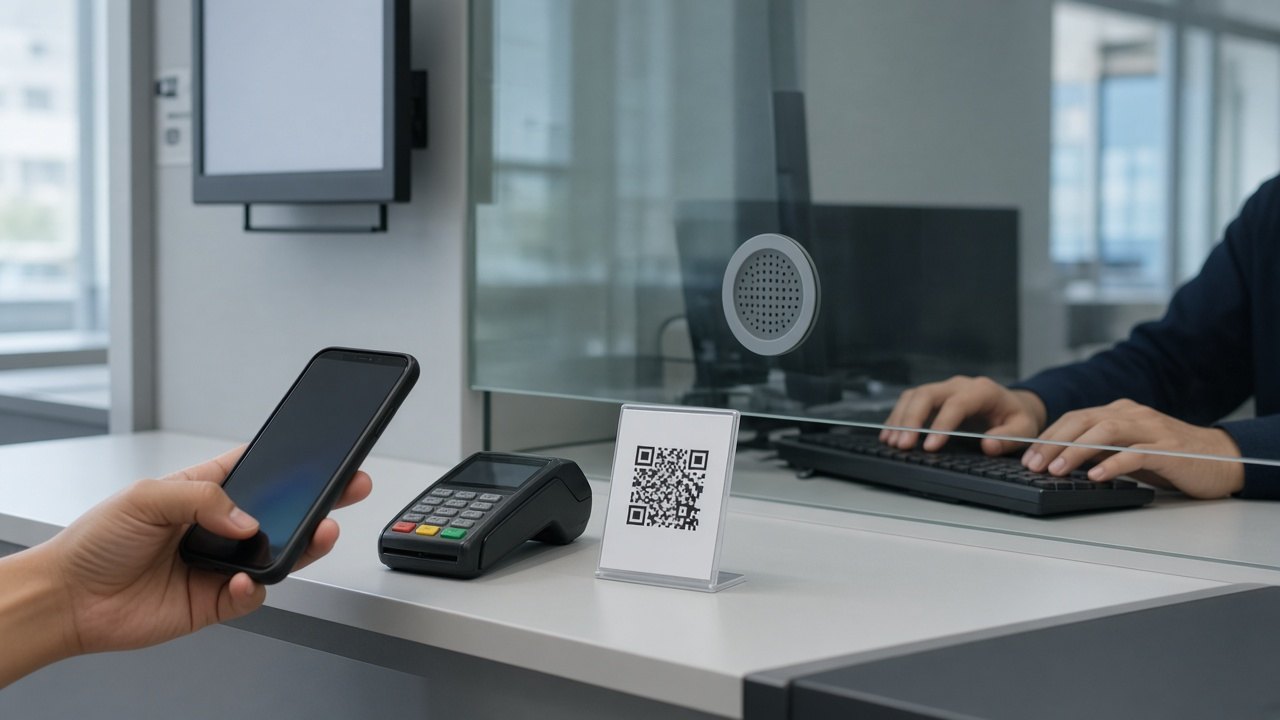
The places that have already switched give a preview of how cashless Islamabad will work. Speaking to Dawn, Mr Chaudhry said weekly bazaars, the CDA One-Window Facilitation Centre and the metro and electric bus services already run cashless. He also said QR payments are being extended to all shopping malls and Class-III markets, and that a cashless system is being introduced in hotels, guest houses, petrol pumps and restaurants.
Two transport projects sit alongside the payment drive: M-Tag and digital parking. CDA has tried digital parking before, which we covered in our report on Islamabad’s digital car parking system. Drivers who regularly park in the Blue Area or the main markets should expect app or card-based payment to become the default.
Cashless Islamabad checklist for residents
If you live in Islamabad or visit regularly, a few minutes now will save you a wasted trip to a counter in December.
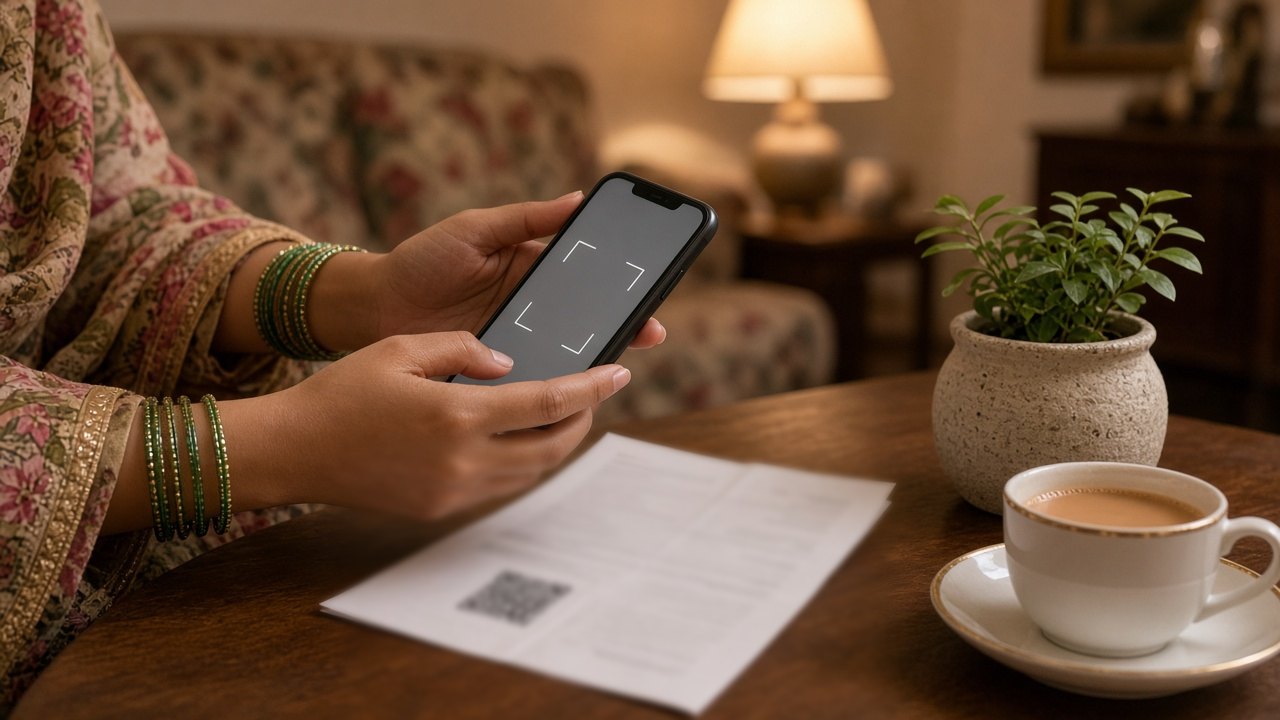
- Check your bank or wallet app for a Raast option. Most Pakistani banking apps and mobile wallets have a Raast section for sending money and scanning QR codes. If you cannot find it, ask your bank to enable it.
- Register a Raast ID. A Raast ID links your mobile number to your account so people can pay you without your IBAN. It is useful for receiving refunds and payments from family.
- Test a small payment. Scan a QR at a shop that already accepts it, or send Rs100 to a family member, so the first real payment is not at a government counter with a queue behind you.
- Keep a backup method. Network outages happen. A debit card or a second wallet gives you a fallback if one app fails.
- Plan for older relatives. Parents and grandparents who pay in cash at CDA or ICT offices may need help setting up an app or a debit card before 30 November.
- Keep receipts. Save the digital confirmation for any government payment. Screenshots help if a payment does not show up on the department’s side.
Fraud warning: the cashless Islamabad drive is a gift to scammers. Nobody from CDA, ICT or your bank needs your PIN, OTP or password to “activate” Raast. Do not share them on calls, SMS or WhatsApp, and check the receiver’s name on screen before you confirm any QR payment.
What Islamabad shopkeepers and vendors should do before 31 December
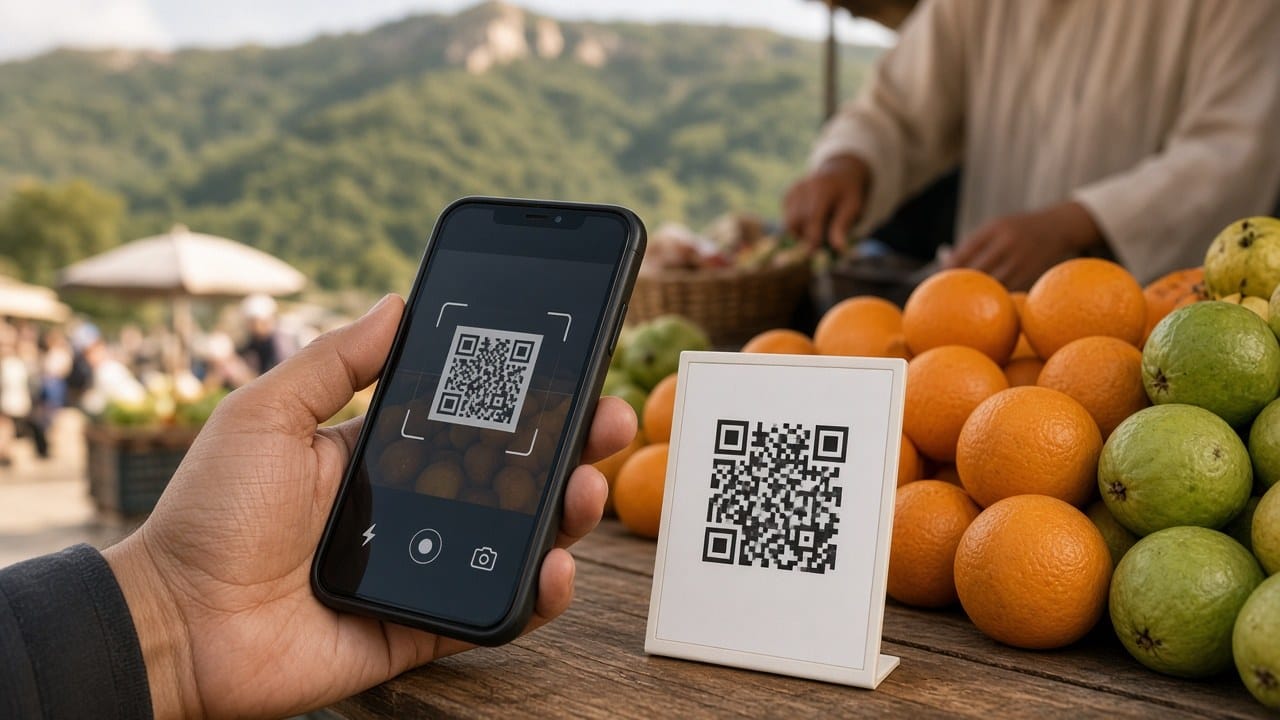
For a merchant, joining cashless Islamabad mostly means getting a QR code linked to a business or personal account and learning to confirm that a payment has arrived. The minister said facilities will be provided at every level, from street vendors to big business centres, and asked banks to run awareness drives for both merchants and customers.
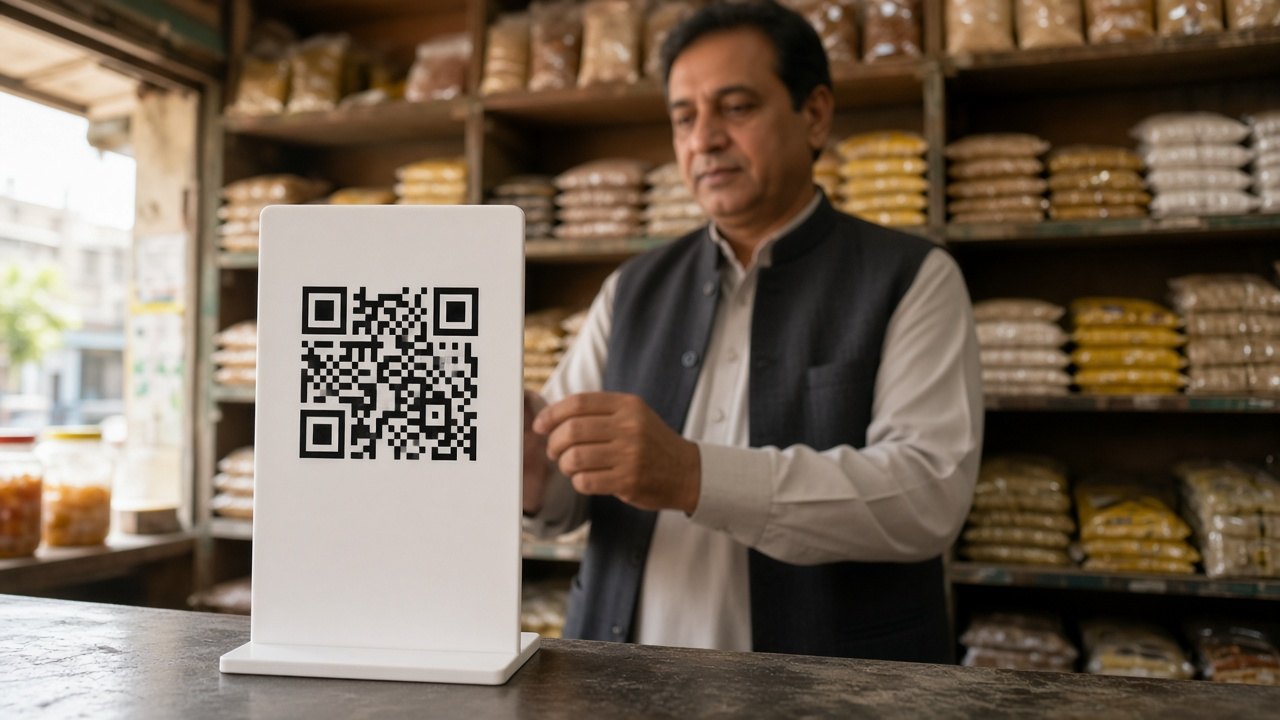
Steps for a shop or stall
- Visit your bank branch or wallet provider and ask for a Raast merchant QR. Bring your CNIC and, if you have one, your business registration or NTN.
- Display the QR where customers can scan it easily, and keep a printed copy in case the first one is damaged.
- Turn on instant payment alerts so you can see each payment before the customer leaves.
- Ask your bank what, if anything, it charges you as a merchant, and whether any launch discount or incentive applies. The minister has urged banks to offer the “maximum” discounts and incentives for Raast QR payments.
- Train anyone who runs the counter for you, so payments are checked the same way every time.
Common worries
Traders often ask about tax. The minister said the cashless system will improve financial transparency and tax monitoring, which suggests digital records will be more visible to the authorities. The government has not announced any new tax measure linked to the drive itself. Small merchants with questions about their tax position should speak to a tax adviser rather than avoid digital payments, since government counters will soon accept nothing else.
Merchants also ask what happens if a payment is reversed or disputed. Raast payments move in real time between accounts, so the safest habit is simple: hand over goods only after the alert reaches your phone.
How Raast QR payments work
Raast is the State Bank of Pakistan’s instant payment system and the main rail for cashless Islamabad. It lets money move between banks and wallets in seconds, using an IBAN, a Raast ID (your mobile number) or a QR code. Merchant payments run through its person-to-merchant (P2M) service. We explained the system’s earlier expansion in our article on Raast cross-border payments with Arab countries.
| Payment method | How the customer pays | Best for |
|---|---|---|
| Raast QR (static) | Scans the shop’s printed QR and types the amount | Small shops, stalls, vendors |
| Raast QR (dynamic) | Scans a QR generated for one bill with the amount filled in | Restaurants, larger stores, counters |
| Raast ID transfer | Sends money to the receiver’s mobile number | Person-to-person payments |
| Debit card or wallet | Pays by card at a terminal or through a wallet app | Malls, petrol pumps, hotels |
If you use a mobile wallet, our explainer on what Easypaisa users should know after Telenor’s exit covers recent changes in that market. Wallets and banking apps both work with Raast QR, so you do not need a new account to pay a merchant.
The national push behind cashless Islamabad
Cashless Islamabad is the pilot for a wider federal plan. The Nation reported that, a week before the Islamabad meeting, Prime Minister Shehbaz Sharif directed officials to prepare a clear roadmap and time-bound targets for a fully digital payment system across the country. Business Recorder’s account of a review held this week said Raast QR codes now appear on all gas and electricity bills, more than 45 million of them, and at all NADRA centres.
The same report said the number of active merchants nationwide rose from about 0.5 million to 2.03 million, that payments into Asaan Assignment Accounts are to move to Raast from 16 November, and that the government will continue its subsidy on the merchant discount rate (MDR) for Raast QR. The State Bank has been asked to prepare a working paper on the MDR arrangement. These are reported figures from that meeting; the State Bank had not published a matching release when we checked.
What is still unclear about cashless Islamabad
Several points matter to ordinary people and have not been answered in public:
- Penalties: No penalty for merchants who miss the 31 December target has been announced.
- Exemptions: Nothing has been said about people without bank accounts or smartphones, or about emergency payments.
- Service list: There is no published list of the ICT and CDA services that go cash-free on 1 December.
- Formal notification: We could not find a written ICT or CDA notification. Until one appears, the meeting statements are the only source.
- Utility bills: Reports say Raast QR is printed on gas and electricity bills, but the Islamabad plan does not say whether paying these bills in cash at a bank will change.
For cashless Islamabad updates, CDA publishes notices on its official website, and the Ministry of Interior has been sharing updates on X. Check both before relying on any forwarded message about fines or new rules.
Cashless Islamabad: frequently asked questions
When does Islamabad become cashless?
The government has set 31 December 2026 as the deadline to bring all merchants into the digital payment system. ICT administration and CDA departments are to stop accepting cash after 30 November 2026.
Can I still pay cash at shops in Islamabad after 31 December?
The announcements set a target for merchants to accept digital payments by 31 December. They do not say cash will be banned in private shops, and no penalty has been published. Expect more shops to prefer QR payments.
Which offices stop taking cash after 30 November?
All departments of the Islamabad Capital Territory administration and the Capital Development Authority, according to the Minister of State for Interior. A full list of services has not been published.
How do I pay CDA or ICT charges without cash?
Use a banking app or mobile wallet that supports Raast QR, or a debit card where a terminal is available. Ask the counter which methods it accepts before you go.
How many merchants in Islamabad already accept digital payments?
About 26,000 merchants were connected to the digital payment system when the cashless Islamabad plan was announced in November 2026.
Do customers pay a fee for Raast QR payments?
The government says it will keep subsidising the merchant discount rate on Raast QR, and banks have been asked to offer discounts and incentives. Check your own bank’s charges, as they can vary.
Cashless Islamabad will only work if the system is reliable at the counter and people trust it. The sensible move for now is to set up a Raast-enabled app, test it on a small payment and help anyone in your family who still relies on cash. We will update this page when ICT or CDA publishes a formal notification.
