
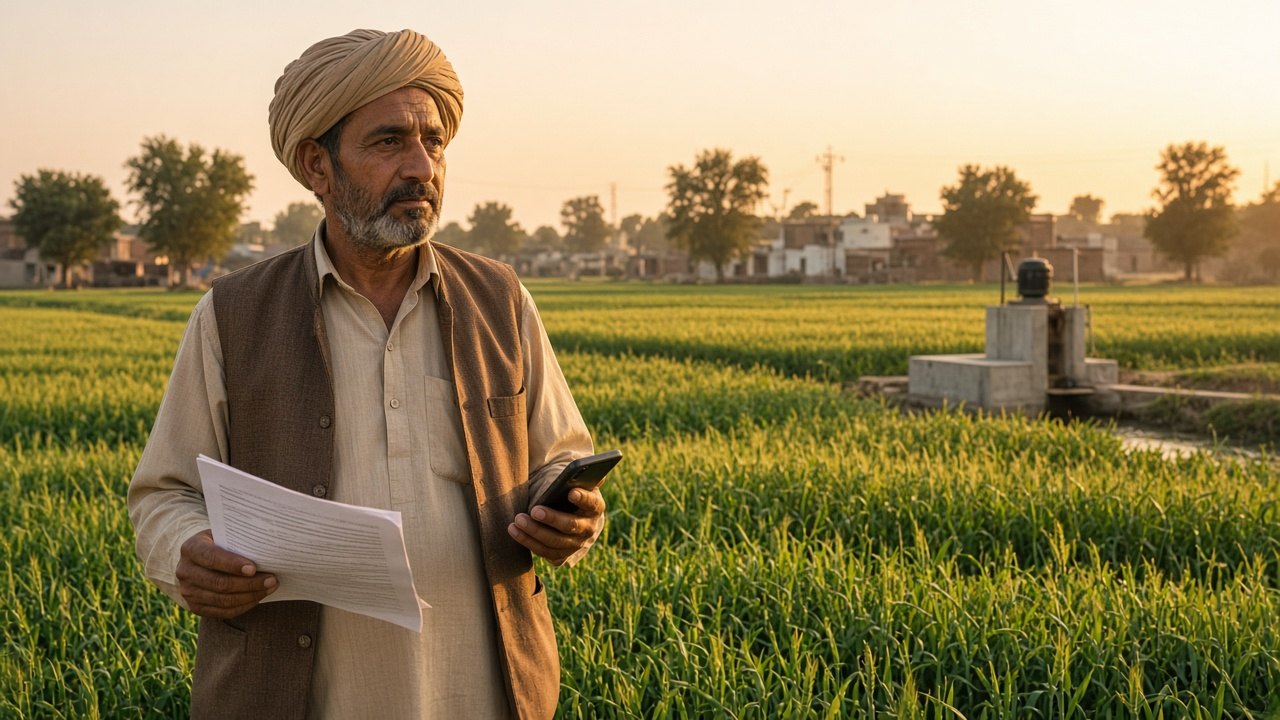
Fard online Punjab services from the Punjab Land Records Authority (PLRA) let you get your land record without visiting a patwari, or you can collect a printed copy in about 10 to 15 minutes at an Arazi Record Centre. A fard (also called fard-e-malkiat) is the official extract that shows who owns a piece of land, how much, and where. It is the first document a buyer, bank or court will ask for.
This guide explains the three official ways to get one, what it costs, the difference between an Information Fard and a Sale Fard, how to verify a fard with its QR code, and what to do if your fingerprints fail or your name is missing from the record. Every rule is taken from PLRA’s own guidance, so you can use fard online Punjab services or a centre with confidence.
Fard online Punjab: key facts
- Rs 50per khatoni, up to Rs 150 per khewat, plus PLRA service charges
- 10 to 15 minto issue a fard when the record is computerised
- No expirya fard has no fixed validity, but get a fresh one before any deal
Source: PLRA “What is Fard and How to Obtain It” guidance, checked 14 November 2026.
Listen: one-minute audio summary
In this guide
Fard online Punjab: the quick answer
How can I get my fard online in Punjab?
Visit punjab-zameen.gov.pk and use the Fard Online service: log in, verify your ownership details and pay the fee online. You can also get a printed fard after biometric verification at any Arazi Record Centre (ARC) or Dahi Markaz Mall, or through an Arazi Moawin centre. Bring your original CNIC and your khewat, khasra or registry details.
The official portals are Punjab Zameen and PLRA’s Online Fard service. PLRA says overseas Pakistanis can also apply online.
What a fard is and why you need one
PLRA describes a fard as an official document with detailed information about a piece of land, including its area, location and ownership. It is used as proof of ownership for a property sale, court cases, loans and other verification. Because it comes straight from the computerised land record, it is the most reliable way to check that a seller actually owns what they are selling.
| Term | What it means on a fard |
|---|---|
| Khewat | The ownership account number grouping the owners of a holding |
| Khatoni | The cultivation account within a khewat; the fee is charged per khatoni |
| Khasra | The individual plot or field number on the village map |
| Mauza | The revenue estate or village the land is in |
| Fard ID | A unique number PLRA gives to every fard it issues |
Three ways to get a fard in Punjab
| Route | How it works | Good for |
|---|---|---|
| Arazi Record Centre (ARC) or Dahi Markaz Mall | Visit in person; a printed fard is issued after NADRA biometric verification | Most owners, especially for a Sale Fard |
| Fard online Punjab (Punjab Zameen) | Log in to the PLRA portal, verify ownership details digitally and pay online | Owners who cannot visit, including overseas Pakistanis |
| Arazi Moawin centre or kiosk | Local centres and kiosks set up by PLRA for convenience | People far from an ARC |
PLRA says you can go to any ARC in Punjab, not only the one in your tehsil, as long as your CNIC is recorded in the system. The Punjab Zameen mobile app is another official channel listed by PLRA.

Getting a fard at an Arazi Record Centre
- 1. PrepareBring your original CNIC and property details: the registry for urban property or mutation (intiqal) details for rural land.
- 2. TokenTake a token at the ARC or Dahi Markaz Mall and wait for your turn.
- 3. BiometricYour fingerprints are checked with NADRA. If you do not have property details, staff ask verification questions.
- 4. PayPay the fee set by PLRA (Rs 50 per khatoni, up to Rs 150 per khewat, plus service charges).
- 5. CollectCheck the printed fard for spellings, area and khasra numbers before you leave.
Fard fee and time
PLRA says the fee depends on the purpose, but normally it is Rs 50 per khatoni and a maximum of Rs 150 per khewat, plus PLRA service charges. A fard is not free. The table shows the government fee part only, since service charges are set separately.
| Your holding | Government fee part (PLRA rate) |
|---|---|
| 1 khatoni in a khewat | Rs 50 |
| 2 khatonis in the same khewat | Rs 100 |
| 3 or more khatonis in the same khewat | Rs 150 (the cap per khewat) |
| Land in 2 different khewats, 3+ khatonis each | Rs 300 (Rs 150 x 2) |
Issuing takes about 10 to 15 minutes if the record is computerised. Online payment options are also available, according to PLRA.
Information Fard vs Sale (Bai) Fard
PLRA issues two kinds of fard, and picking the wrong one is a common mistake.
| Information Fard | Sale (Bai) Fard | |
|---|---|---|
| Purpose | Verification only | Registry and transfer of ownership |
| Buyer details | Not needed | Buyer’s name and CNIC are mandatory |
| Where the data goes | Stays with you | Sent automatically to the e-Registry system |
| Typical use | Loans, court cases, checking a record | Selling land or property |
If you are buying from abroad, read our guide on how overseas Pakistanis can buy property without being scammed. Our report on Punjab real estate laws and non-banking deals explains why payments should go through a bank.
How to verify a fard with its QR code
Whether it came from a centre or from fard online Punjab services, PLRA says every fard has a printed QR code. Scan it with your phone and it should open the matching record, so you can confirm the document is genuine. You can also check the status of a fard request online using the Fard ID, or ask at the centre that issued it.
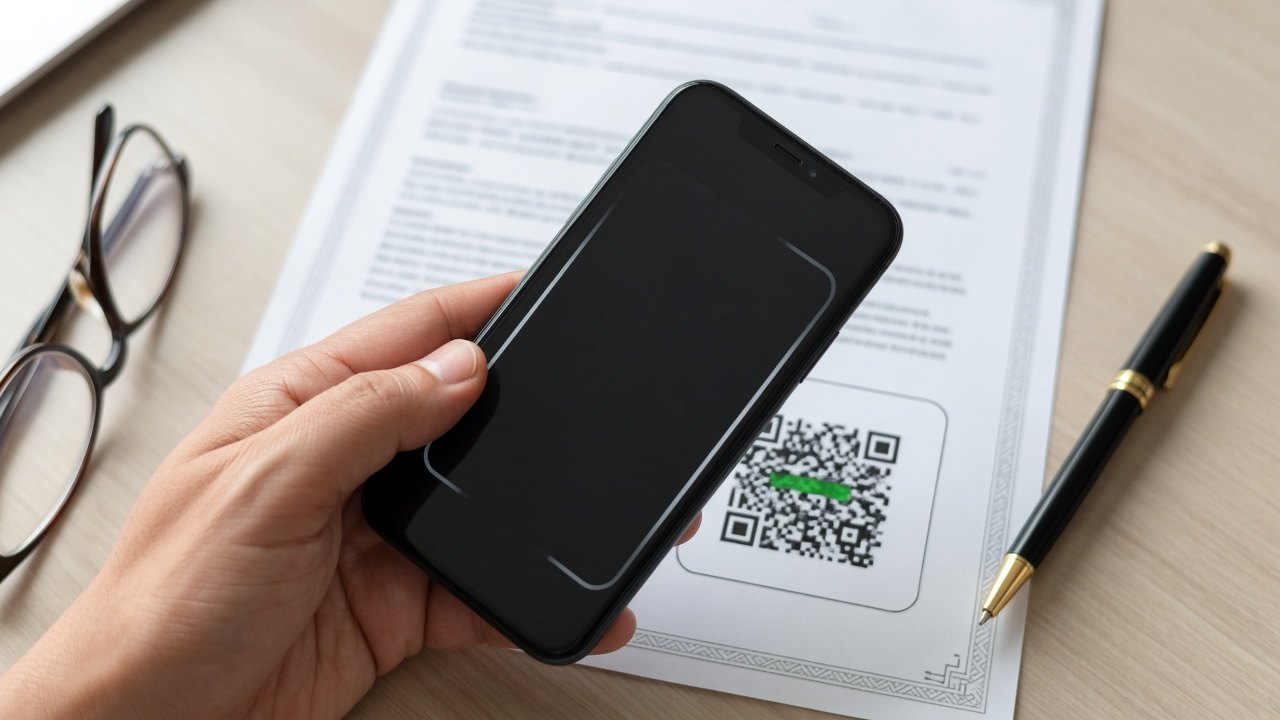
- Scan the QR code yourself; do not rely on a photo of a scan sent by the seller.
- Check that the owner’s name, father’s name, CNIC, area and khasra numbers match the record that opens.
- Look at the issue date. A fard has no expiry, but an old one may not show a recent sale or mutation.
- For a deal, insist on a fresh Sale Fard issued in the buyer’s name and CNIC.
Common fard problems and what PLRA says to do
| Problem | PLRA guidance |
|---|---|
| Fingerprints not verified by NADRA | Update your fingerprints at NADRA first; PLRA also says a Patwari or Service Centre Incharge can verify identity through a local witness |
| Elderly owner and NADRA still fails | Bring a co-owner or the village Lumberdar; the Service Centre Incharge issues a manual verification token |
| Name not in the land record | Visit an ARC with your original documents and request a correction |
| CNIC not updated in the record | Apply at the concerned ARC to update it |
| Fard lost | Find the Fard ID, submit a police report and an affidavit; the old fard is cancelled and a new one issued |
| Fard obtained by mistake | Return the original with an affidavit saying it was not used in any registry, to the Service Centre Incharge |
| Getting a relative’s fard | Allowed with a Sub-Registrar-verified Mukhtarnama Aam (general power of attorney) and an affidavit that the owner is alive |
| Court surety (zamanat) fard | A Sale Fard is still possible if the court has not restricted the sale |
Fard online Punjab checklist before a property deal
- Get a fresh fard on the day or week of the deal, not one handed over by the seller months ago.
- Match the seller’s CNIC with the owner shown on the fard.
- Check for other co-owners in the khewat; all of them may need to sign.
- Confirm the khasra and area on the ground with the village map.
- Ask for a Sale Fard with your name and CNIC so it flows into e-Registry.
- Keep PLRA’s complaint line handy: (042) 111-22-22-77, Monday to Saturday, 8am to 5pm.
Farmers who need land details for other schemes, such as the Kisan Card in Punjab, also start with an up-to-date fard.
Fard online Punjab: FAQs
Can I get my fard online in Punjab?
Yes. PLRA says you can use the Fard Online service on punjab-zameen.gov.pk, log in, verify ownership details and pay online. Overseas Pakistanis can apply through the PLRA website too.
What is the fee for a fard in Punjab?
PLRA says it is normally Rs 50 per khatoni, with a maximum of Rs 150 per khewat, plus PLRA service charges.
How long does it take to get a fard?
About 10 to 15 minutes at a centre if the land record is computerised.
What documents do I need for a fard?
Your original CNIC and property details such as the khewat, khasra or registry. For urban property bring the registry; for rural land bring the mutation details.
How long is a fard valid?
A fard has no fixed validity. But because ownership can change through sales or mutations, PLRA advises getting the latest fard before any transaction.
How can I verify a fard is genuine?
Scan the QR code printed on it, or check its status online with the Fard ID.
A fard takes minutes to get and can save you from the most expensive mistake in Pakistani property. Whether you use fard online Punjab services or visit an ARC, check every line before you sign anything.
